Adıyaman: Where Empires Passed and Silence Remained
Discover Adıyaman through Mount Nemrut, Arsemia and Cendere Bridge—a land of empires, balance between gods and humans, and lasting silence.
Adıyaman does not reveal itself at first glance.
It stays quiet. It waits.
Because this is a place that speaks not by shouting — but by weight.
These lands stand exactly where Mesopotamia and Anatolia touch. Not fully East, not fully West — right in between. A place of passage. And passageways often carry the heaviest stories.
Time in Adıyaman is not linear.
The past is not something left behind. It walks beside you. Sometimes, it rises above you.
And when it does, you find yourself on Mount Nemrut.
Nemrut is more than a mountain.
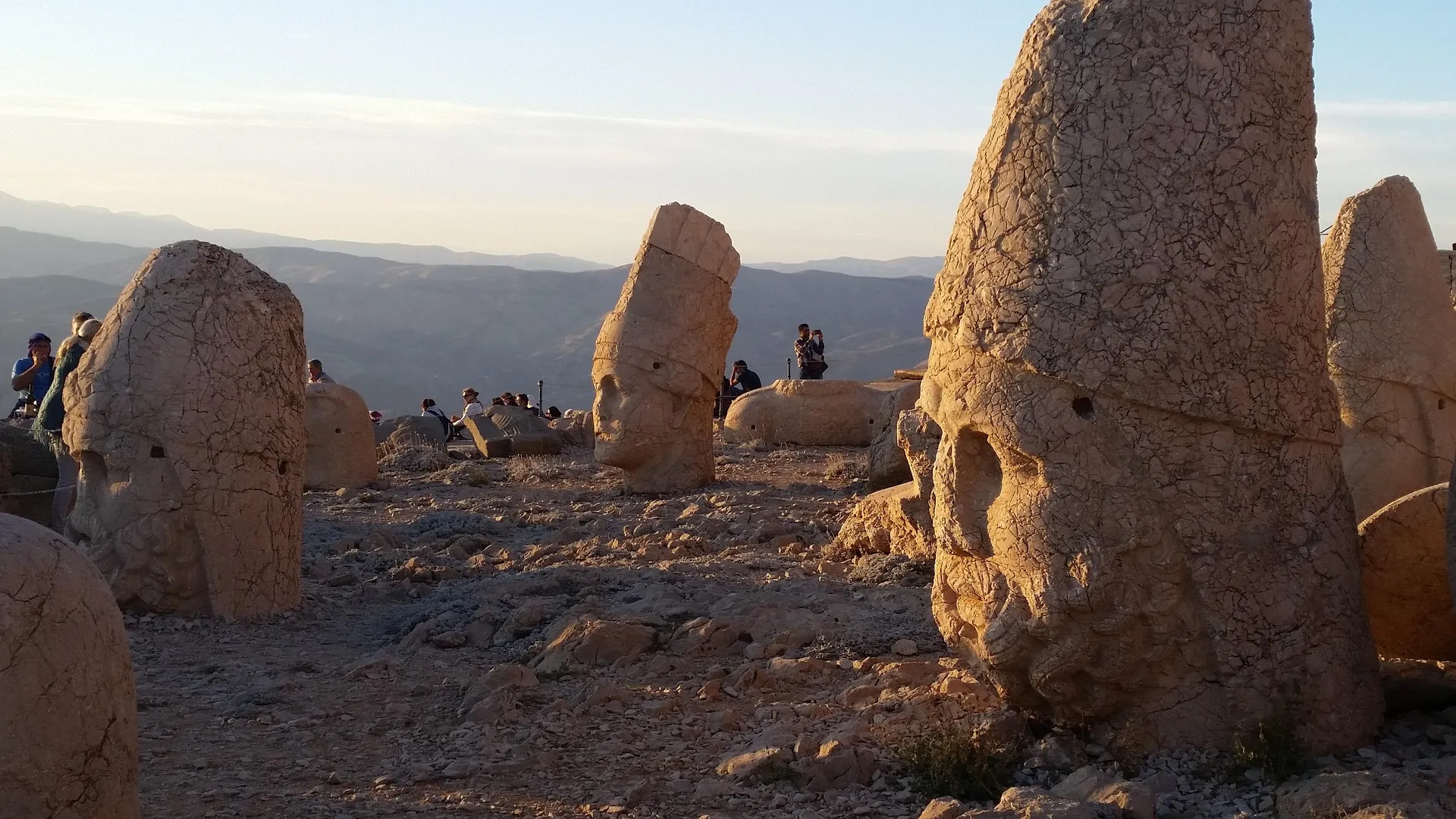
It is a statement. A challenge. A human attempt to stand at eye level with the gods. King Antiochus I of Commagene did not merely build a monument here — he tried to carve himself into eternity.
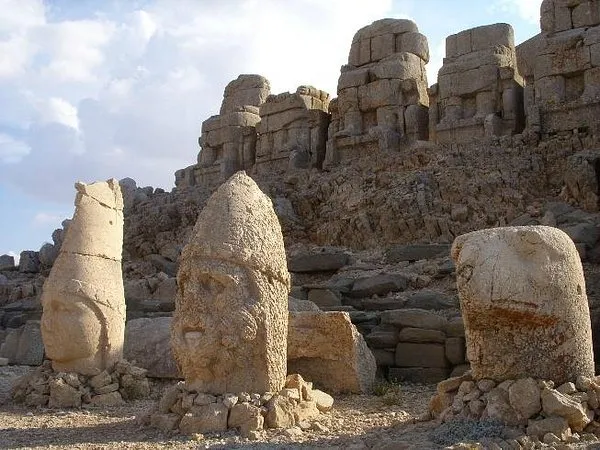
Colossal stone heads gaze east and west.
They welcome the sun and bid it farewell. Gods and kings stand side by side — Apollo, Zeus, Heracles… and Antiochus himself. The distance between human and divine is deliberately erased.
Yet Nemrut’s true power is not in its statues.
It is in its silence.
As the sun rises or sets, as the wind moves between the stones, people instinctively fall quiet. Speaking here feels inappropriate.
But Adıyaman is not only Nemrut.
Descending the mountain, new layers emerge.
Arsemia, the intellectual heart of the Commagene Kingdom.
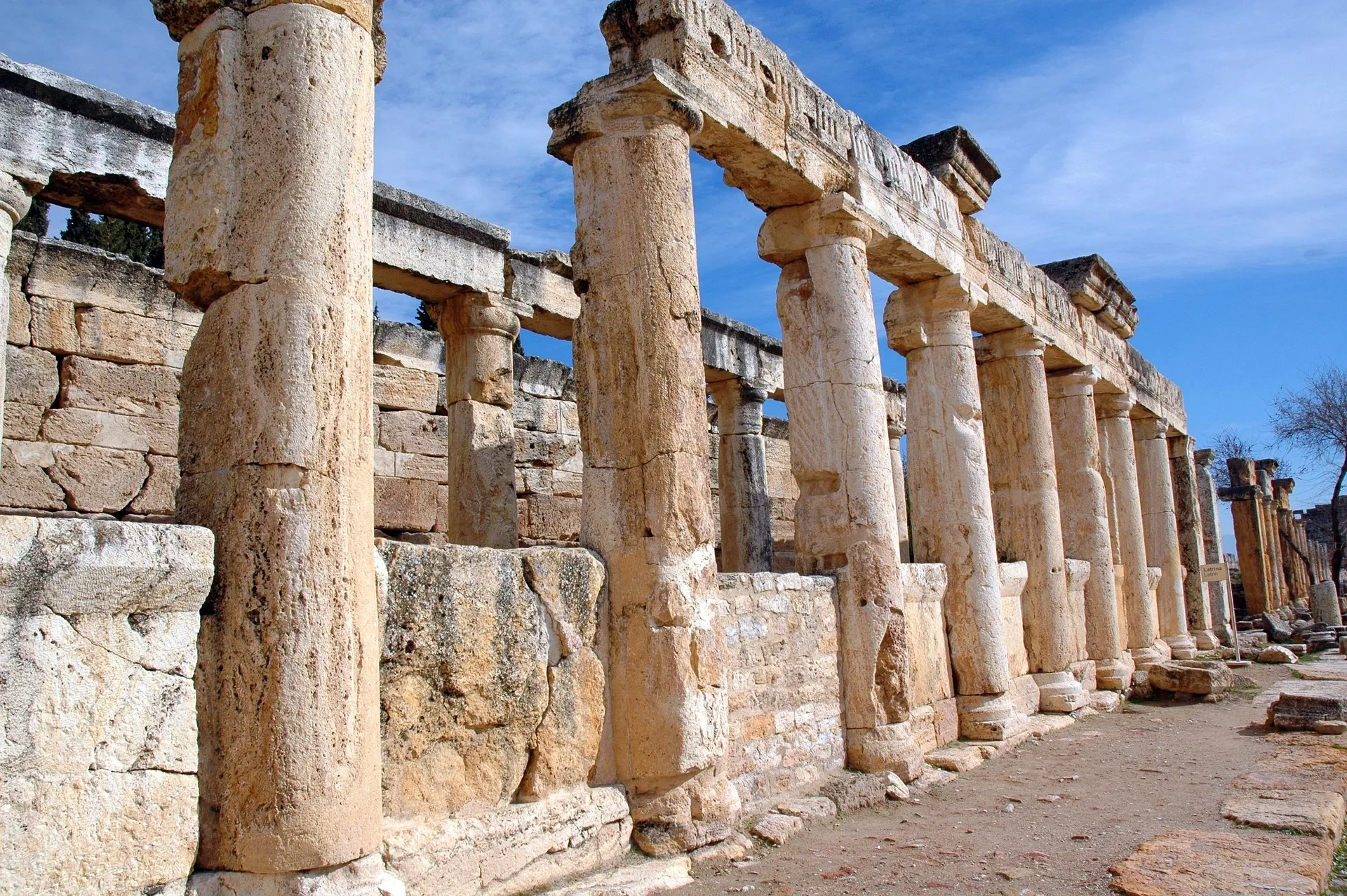
Inscriptions, reliefs, hidden passages — statecraft carved into stone. A place that shows power is built not only through force, but through symbolism.
Then there is the Cendere Bridge, Rome’s answer.
Discipline through stone, permanence through engineering. Still standing after centuries, it proves that when humans build with nature rather than against it, endurance follows.
In Adıyaman, one realization settles in:
This is not a place of loud declarations.
But it has lived through immense things — kingdoms, empires, beliefs, collapses. All passed through, yet the land never lost its calm.