Göbeklitepe and Karahantepe: Two Different Voices of Early Belief
A comparison of Göbeklitepe and Karahantepe reveals how early belief systems followed different paths—one outward and monumental, the other inward and personal.
When Göbeklitepe and Karahantepe are placed side by side, one thing becomes clear:
human history never followed a single path.
Same era. Same region. Similar techniques.
Yet two completely different expressions.
Göbeklitepe feels outward-looking.
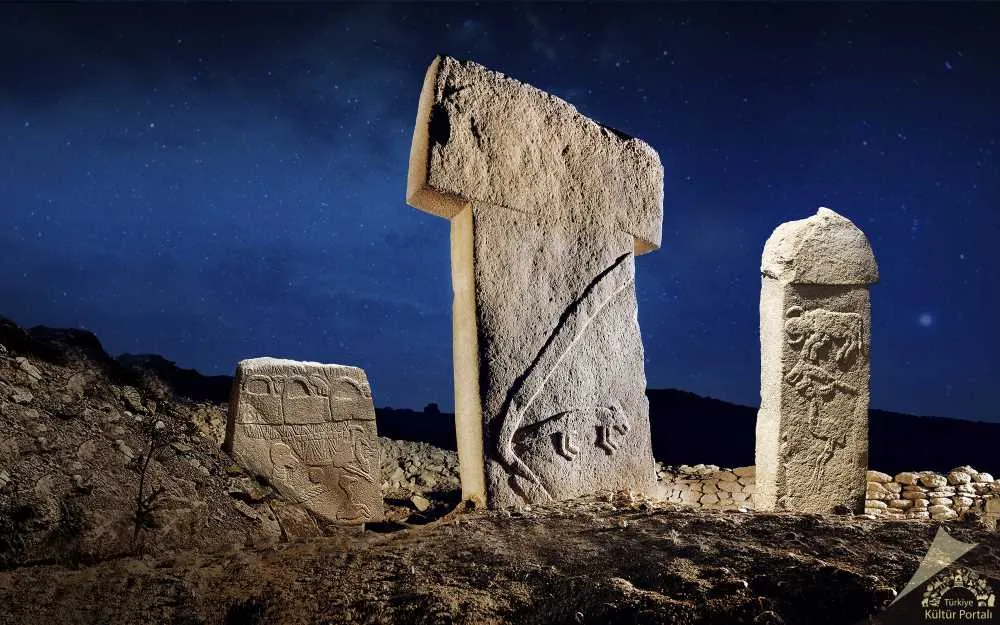
Open spaces, circular layouts, architecture in constant dialogue with the sky. Here, humans seem positioned opposite nature. Animal imagery dominates — predators, reptiles, powerful and threatening symbols. Humans remain in the background. Power, nature, and fear appear to take center stage.
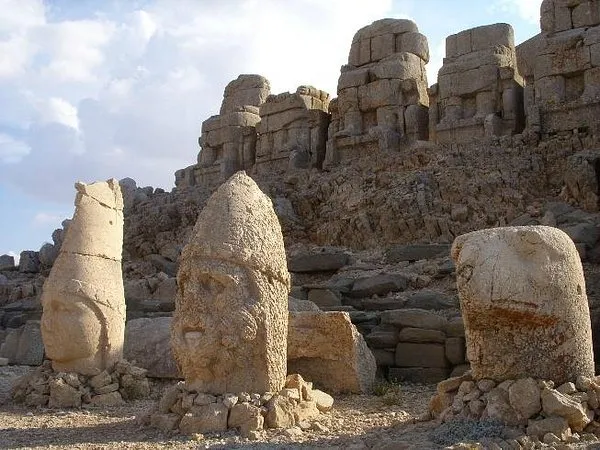
The T-shaped pillars almost replace the human presence.
Abstract yet monumental. We do not know who or what they represent, but authority is felt. Belief at Göbeklitepe feels distant. Humans observe, respect, and keep their distance.
Karahantepe, by contrast, turns inward.
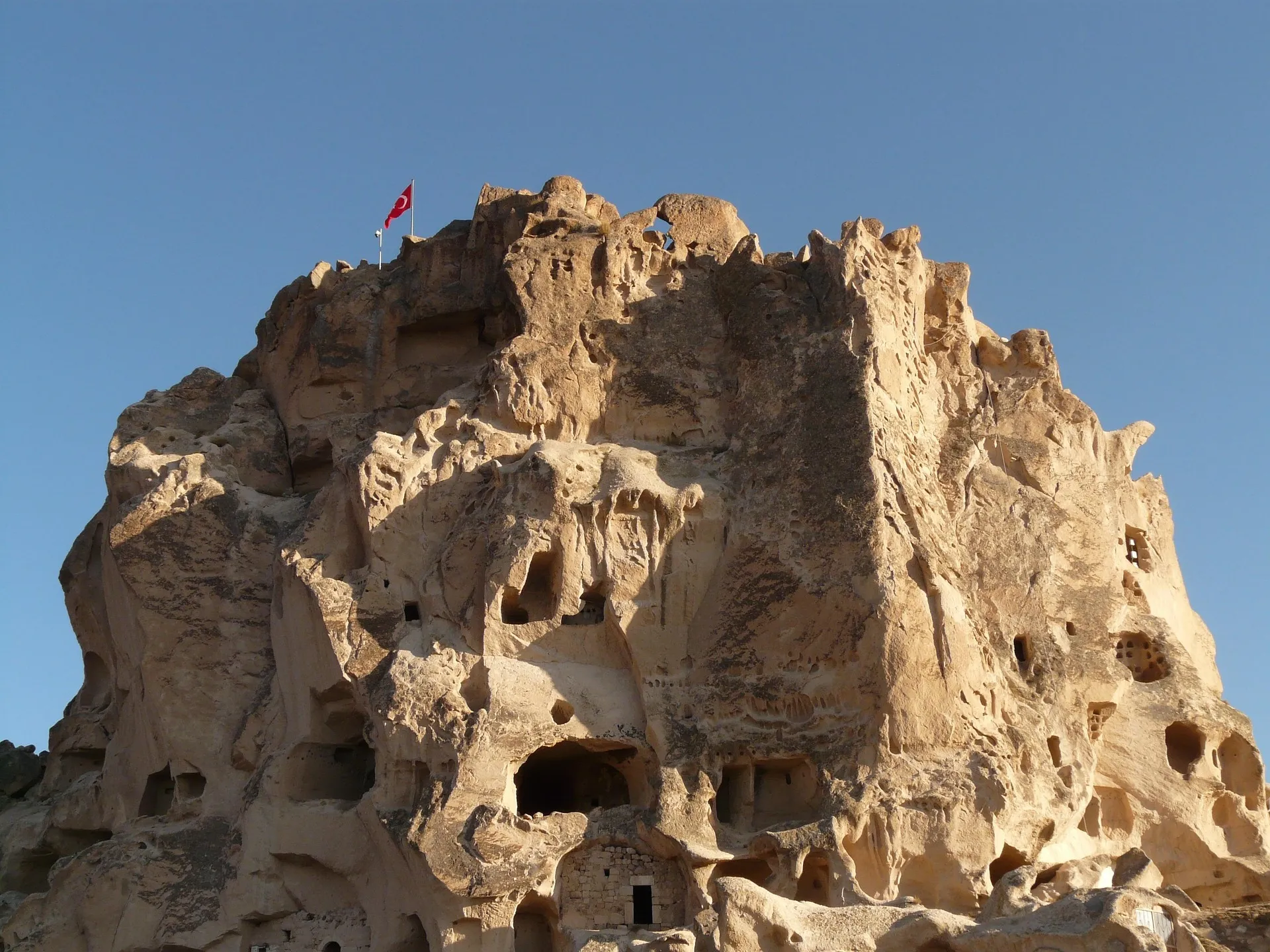
Rock-cut spaces, semi-subterranean structures, tighter interiors. The focus is not the sky but the stone itself. Humans are no longer facing nature — they have entered it.
And here lies the most crucial difference: the human figure.
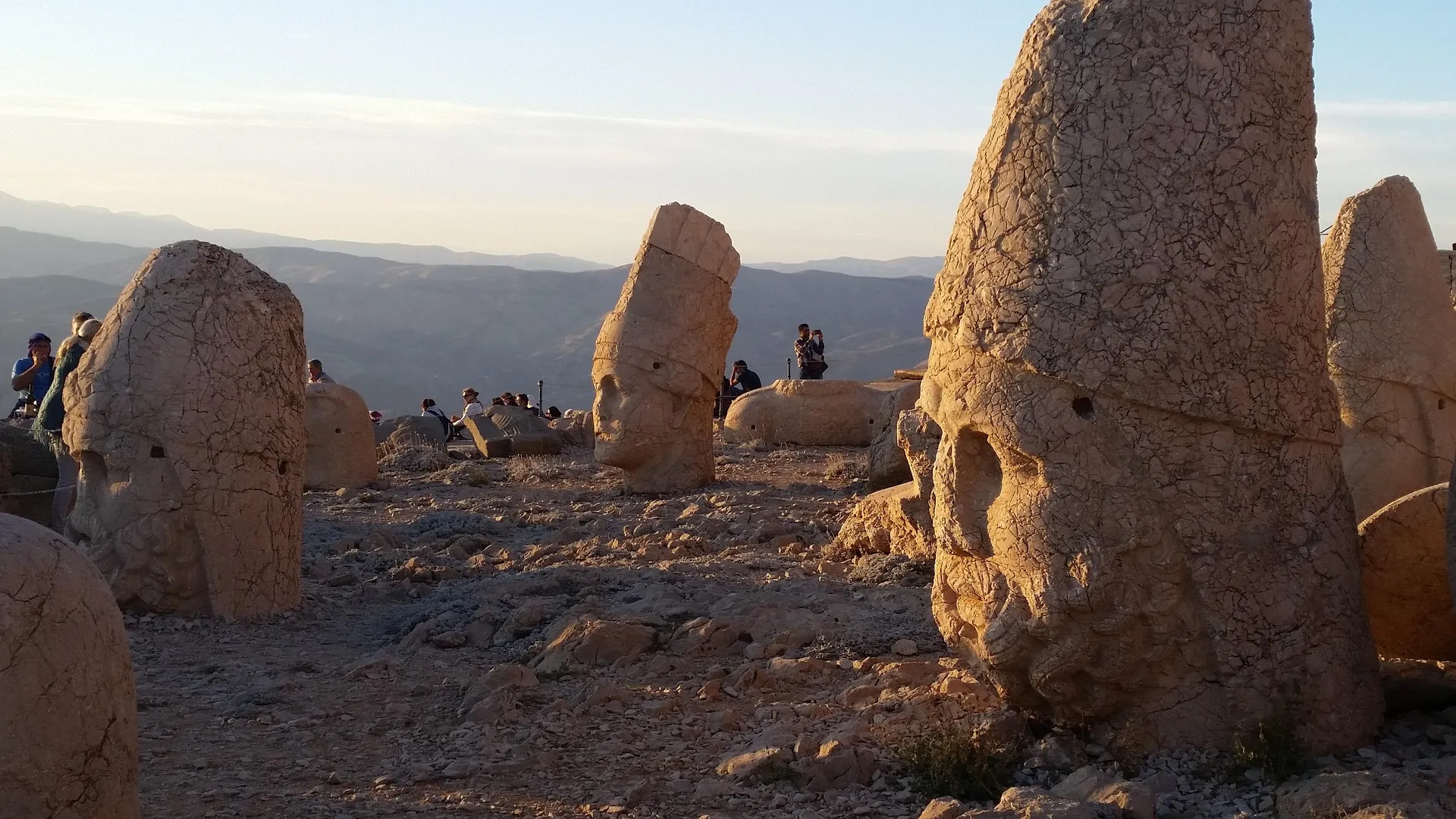
At Karahantepe, humans are visible. Faces, gazes, bodies emerge from stone. Humans are no longer silent participants but direct subjects of the narrative. What is only implied at Göbeklitepe stands openly here.
Animal figures exist at both sites, but their roles differ.
At Göbeklitepe, animals feel dominant and threatening. At Karahantepe, they recede into symbolism. The fear may no longer be external — it may be internal.
There is also a difference in how time feels.
Göbeklitepe appears complete, sealed, deliberately closed.
Karahantepe remains open-ended — a text still being written, season by season.
Together, these sites tell us something powerful:
Early belief systems were never uniform.
From the very beginning, humanity explored multiple paths.
One more ceremonial, more collective.
The other more personal, more confrontational.
Same stone.
Different consciousness.