Green Tour Cappadocia: Ihlara Valley, Underground Cities & Hidden Histories
Explore Cappadocia’s Green Tour through Ihlara Valley, Selime Monastery, Aşıklı Höyük, Kaymaklı Underground City and Pigeon Valley.
The Green Tour feels different from the very beginning. It moves away from the open, sculptural landscape of central Cappadocia and slowly pulls you toward places where life was more hidden, more layered, and often closer to the ground. This route isn’t about dramatic first impressions. It’s about continuity — how people adapted to nature, learned to live with it, and quietly left their marks behind.
Ihlara Valley
Ihlara doesn’t reveal itself all at once. You stand at the edge, look down, and only then realize how deep and alive the valley is. Once you’re inside, everything changes. The air feels cooler, the sound softens, and the landscape becomes almost intimate. A river flows quietly at the bottom, trees lean toward the water, and walking here feels less like sightseeing and more like moving through a living corridor.
The churches carved into the canyon walls don’t try to stand out. Some are hidden behind greenery, some appear suddenly after a turn in the path. Their frescoes are modest, sometimes damaged, sometimes surprisingly expressive. What stays with you isn’t perfection, but atmosphere. Ihlara Valley feels like a place people chose not to leave, even when times were difficult. You sense routine here — walking, praying, resting — life continuing in the shadow of the canyon.
Selime Monastery
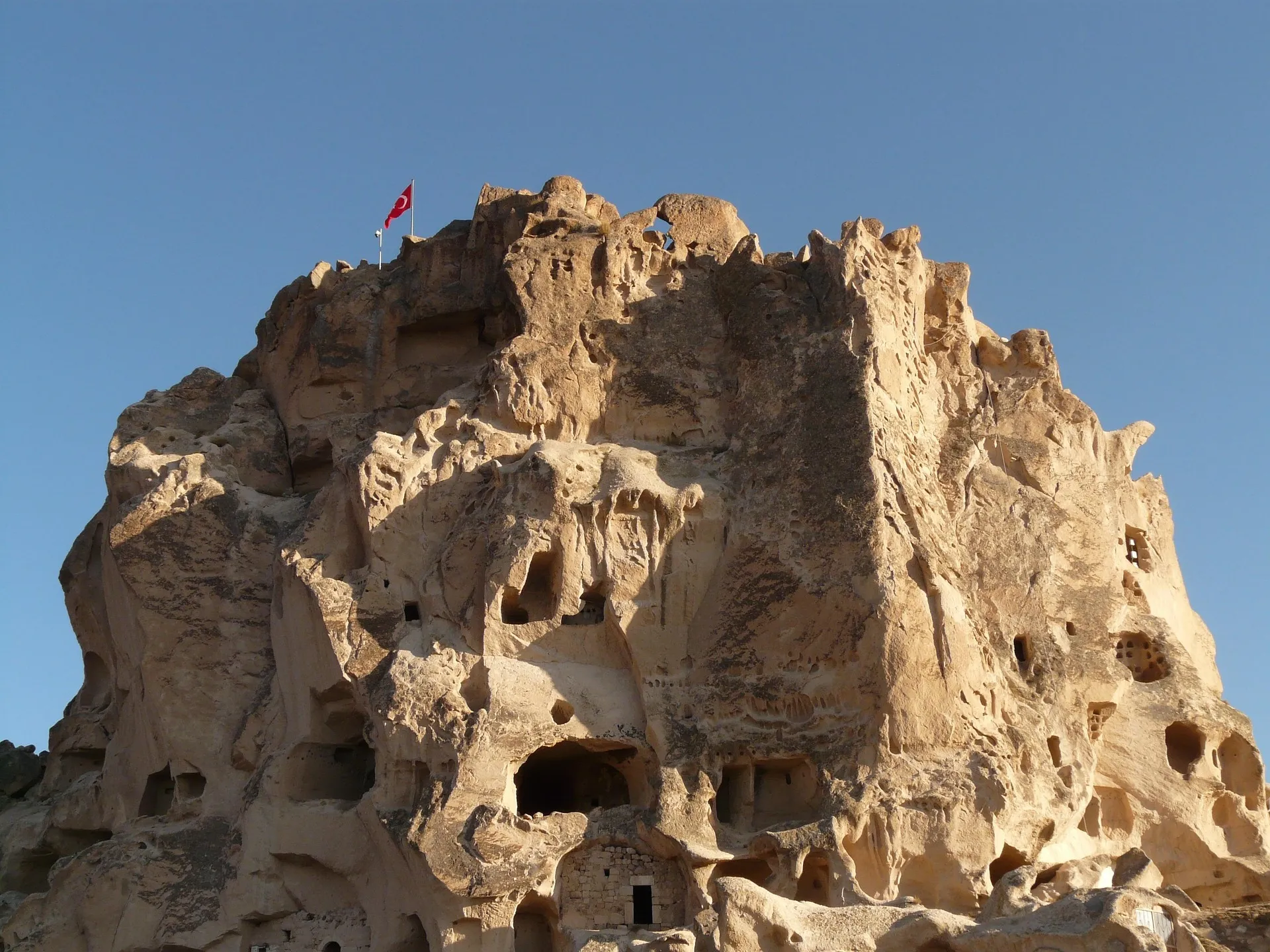
Selime feels raw and unfinished, and that’s part of its strength. Carved into a dramatic rock formation at the edge of the valley, it looks almost overwhelming at first. This wasn’t a single building; it was a complex — living spaces, churches, corridors, open areas — all shaped directly from stone.
Walking through Selime, you don’t get a polished narrative. You get fragments. Large halls that echo when you speak, narrow passages that force you to slow down, and open terraces where the valley stretches out in front of you. It feels less like a monastery frozen in time and more like a place that was constantly adapting. Power, belief, daily life — all layered together without clear borders.
Aşıklı Höyük
Aşıklı Höyük shifts the timeline completely. This is one of those places that quietly reminds you how deep human history really goes. Long before churches, monasteries, or carved valleys, people were already settling here. Not passing through — staying.
There’s something grounding about standing on a Neolithic mound and realizing that organized life, shared spaces, and daily routines existed here thousands of years ago. Aşıklı doesn’t overwhelm you visually. It works on your sense of time. You start thinking less about monuments and more about beginnings: fire, food, shelter, community. It’s subtle, but powerful.
Kaymaklı Underground City
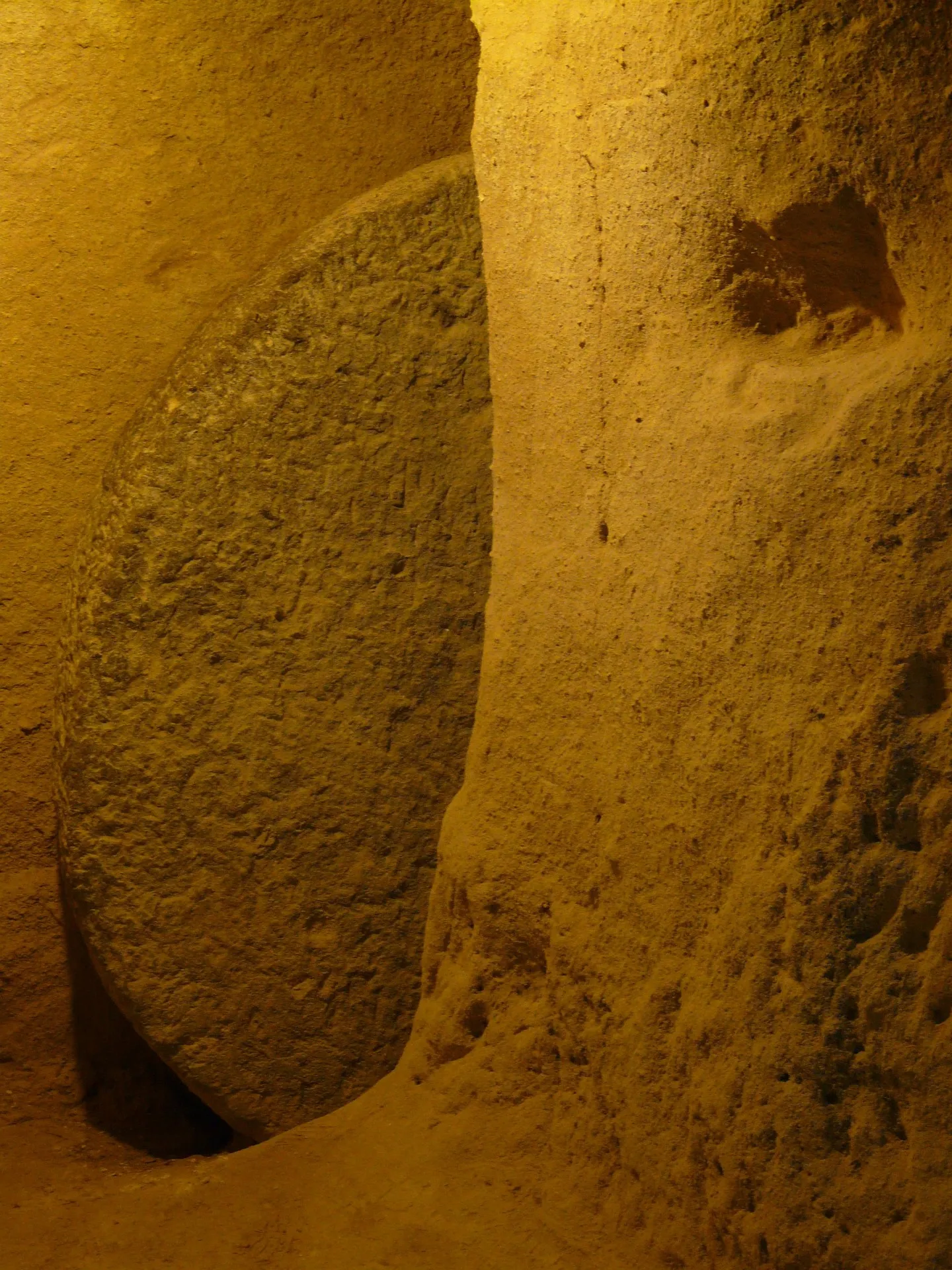
Kaymaklı Underground City goes downward — physically and mentally. Entering the underground city changes your sense of space almost immediately. Tunnels narrow, ceilings lower, and orientation becomes instinctive rather than visual. This wasn’t built for comfort; it was built for survival.
As you move deeper, you see storage rooms, ventilation shafts, living areas — all carefully planned. What’s striking isn’t just the engineering, but the mindset behind it. Entire communities organized life below ground, not temporarily, but thoughtfully. Kaymaklı isn’t about fear; it’s about preparedness — knowing the land well enough to disappear into it when needed.
Pigeon Valley
Pigeon Valley feels like a pause. After enclosed spaces and deep timelines, this valley opens things up again. The walking paths are gentle, the views wide, and the carved pigeon houses dot the cliffs quietly. These weren’t decorative. They were practical — part of agriculture, part of daily life.
There’s a calm logic to this valley. Humans, birds, stone, and land working together. It’s one of those places where you don’t rush. You walk, stop, look across the valley, and let the region breathe around you.
Onyx Workshop Cappadocia
The onyx workshop brings everything back to the present. After walking through valleys, underground spaces, and ancient settlements, seeing stone shaped by modern hands feels grounding. Onyx, marble, and other local stones are heavy, cool, and patient — much like Cappadocia itself.
Watching the process isn’t about the final object. It’s about continuity. Stone has always been here. People have always shaped it — first for shelter, then for belief, now for expression. The workshop closes the circle quietly, without trying to impress.