The Southern Side of Cappadocia: Quiet Valleys and Hidden History
Explore Southern Cappadocia through Sobessos Ancient City, Keşlik Monastery and Soğanlı Valley, where history survives quietly beyond the crowds.
The Southern Side of Cappadocia: Places That Speak Quietly
When people think of Cappadocia, they often imagine fairy chimneys, balloons, and dramatic landscapes. But the southern part of the region tells a different story. It is calmer, more layered, and often more human. Here, history is not presented as a spectacle. It exists quietly, waiting to be noticed.
The places in this area are not designed to impress at first glance. Instead, they reward time, attention, and curiosity.
Sobessos Ancient City – A Rare Window Into Late Roman Cappadocia
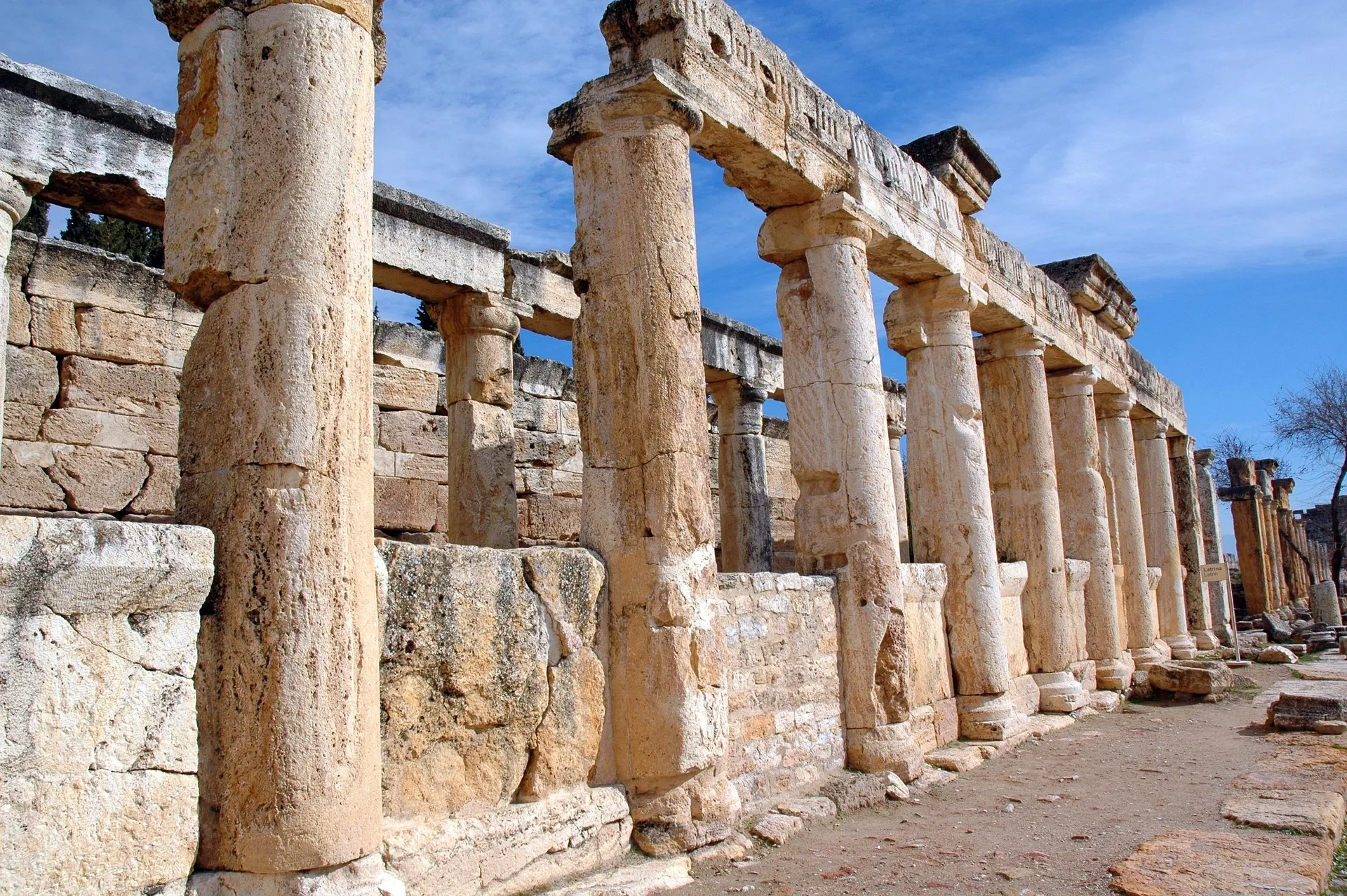
Sobessos is one of the few excavated ancient cities in Cappadocia, and that alone makes it unusual. Most settlements in the region were carved into rock or hidden within valleys, but Sobessos followed a more classical urban plan. What survives today gives us valuable insight into how people lived here during the Late Roman and early Byzantine periods.
The city was likely a regional center, not monumental but functional. Bath complexes, streets, and public areas suggest an organized community with access to water, trade routes, and craftsmanship. The mosaics found here are especially significant. Their geometric patterns and detailed craftsmanship show that aesthetic culture was alive and important, even in what might seem like a remote part of Anatolia.
Sobessos helps us understand Cappadocia not as an isolated landscape, but as a connected world — part of larger political, cultural, and economic systems.
Keşlik Monastery – Spiritual Life Shaped by the Landscape
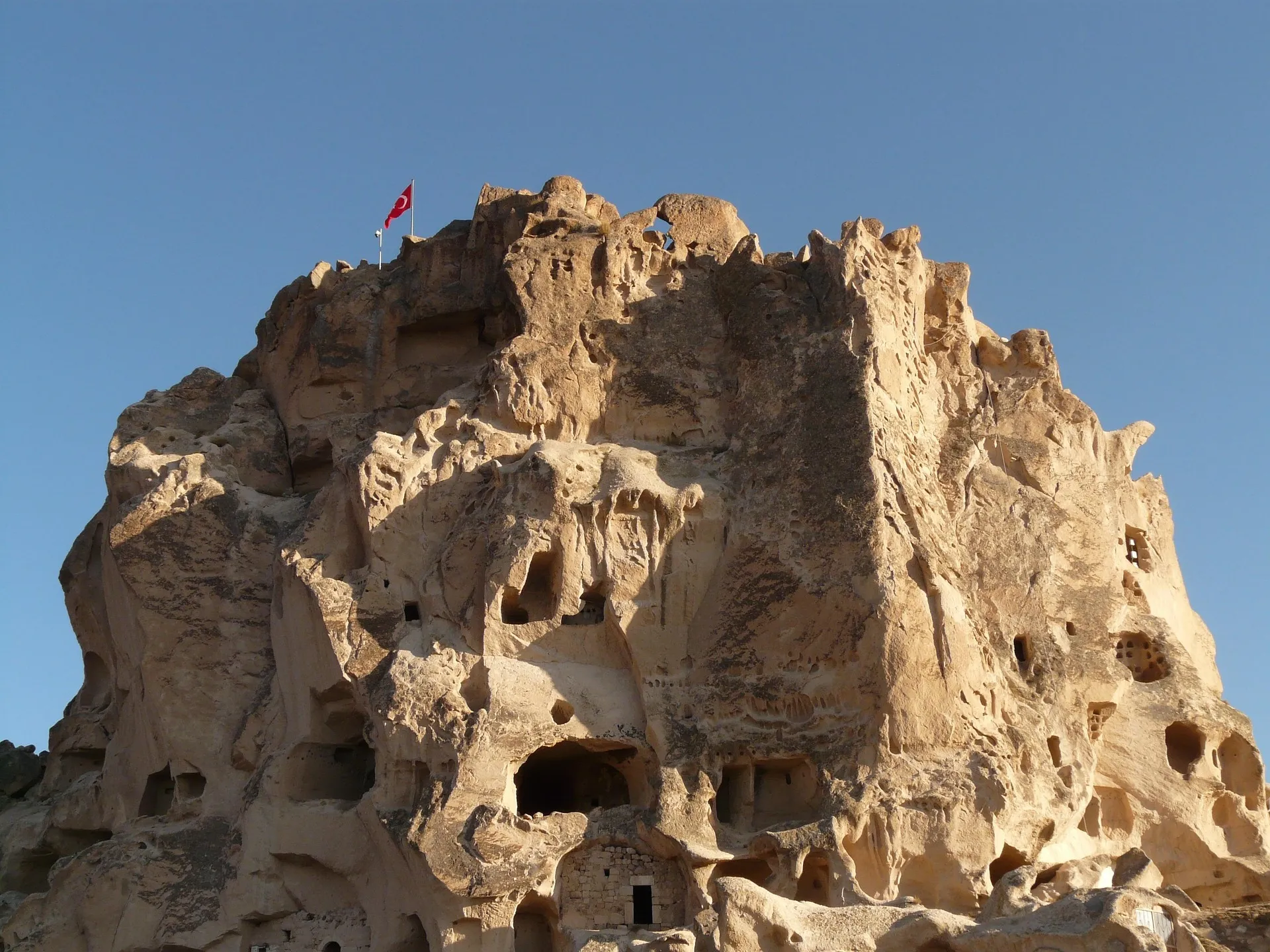
Keşlik Monastery represents another defining element of Cappadocia: monastic life shaped by rock and nature. Carved into a green valley, the monastery complex reflects a spiritual approach deeply connected to isolation and simplicity.
Unlike more decorative religious sites, Keşlik feels modest and inward-looking. The chapels, refectories, and living spaces were designed for contemplation rather than display. The faded frescoes still visible on the walls remind us that color and symbolism once filled these spaces, even if time has softened them.
What makes Keşlik especially meaningful is its relationship with silence. The surrounding valley absorbs sound, creating an atmosphere where stillness becomes part of the architecture. It offers insight into how early Christian communities used geography itself as a spiritual tool.
Soğanlı Valley – A Landscape That Carries Memory
Soğanlı Valley is one of the most expansive valleys in Cappadocia, and its openness sets it apart. Rather than towering rock formations, the valley unfolds gradually, revealing layers of natural and human history.