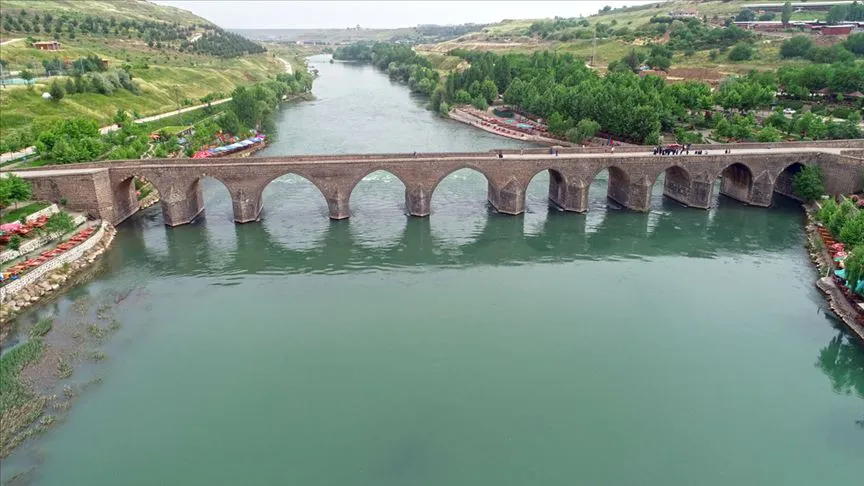
Tigris River and Ten-Eyed Bridge: Flow, Balance and Time
Discover the Tigris River and the Ten-Eyed Bridge in Diyarbakir, symbols of balance between nature, time, and human adaptation in Mesopotamia.
The Tigris River is one of humanity’s oldest mirrors.
When you look into it, you don’t just see water — you see thousands of years of an ongoing experiment: learning how to live together.
As one of the two rivers that shaped Mesopotamia, the Tigris made agriculture possible, enriched the soil, and encouraged people to settle. But its importance is not merely economic or geographic. It is a teacher — showing humans when to approach, when to step back, and when patience matters most.
Every settlement along the Tigris is the result of a search for balance.
The river is powerful, yet not chaotic. Strong, yet not inevitably destructive. People recognized this early on. Instead of trying to dominate the river, they chose to adapt to it. This choice became the shared language of the civilizations born here.
In Diyarbakır, this relationship is unmistakable.
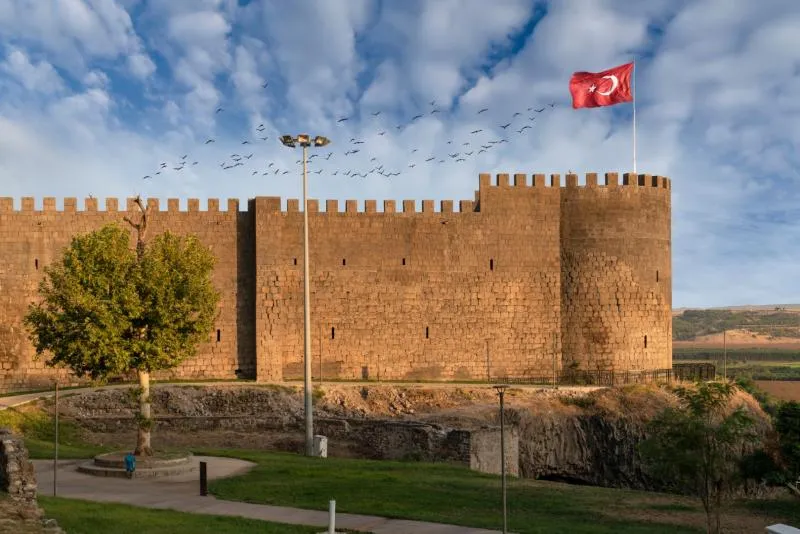
The city walls, the Hevsel Gardens, and the river form a single system. The gardens are a gift of the Tigris — sustaining the city for centuries, enabling production, and keeping life in motion. Nature and human effort stand side by side.
And spanning this flow stands the Ten-Eyed Bridge.
More than a structure connecting two banks,
it is a quiet agreement between humans and the river. Standing for nearly a thousand years, it proves that relationships built on understanding endure.
Its architecture speaks clearly.
The ten arches accept the river’s variability. When the water rises, the arches allow it through. When it recedes, the bridge remains. There is no display of dominance here. The message is simple: “You flow — I adapt.”
Throughout history, those who crossed this bridge carried more than themselves.
They carried culture, trade, belief. Languages passed here. Stories passed here. The bridge became not a boundary, but a threshold — a place where movement meant transformation.
Standing on the bridge today, watching the Tigris, time slows down.
Because the past is still flowing here. The river is unhurried. The bridge is unhurried. Together, they remind us that permanence is not built on speed, but on harmony.
That is where their true importance lies:
The Tigris carries time.
The Ten-Eyed Bridge reflects humanity’s response to it.