Zeugma Mosaic Museum: When Humans Began to Look at Themselves
Explore the Zeugma Mosaic Museum in Gaziantep, where ancient mosaics shift focus from gods to human identity, gaze, and everyday life.
The Zeugma Mosaic Museum feels like a place where humans no longer look toward the gods —
but begin to look at themselves.
There was silence at Göbeklitepe.
Confrontation at Karahantepe.
Here, there is gaze. Clear, strong, and direct.
We stand in the heart of Gaziantep, yet mentally inside an ancient Mediterranean world.
The mosaics rescued from the ancient city of Zeugma were once floors of houses. Today, they face us on walls, under light, at eye level. This shift alone says a lot.
At first glance, the mosaics are about beauty.
Color, composition, mythological scenes. But when you pause, something becomes clear: these were not made for temples. They were made for homes. Stories placed right in the center of daily life. Belief is no longer distant — it lives alongside people.
And then comes the moment everyone stops:
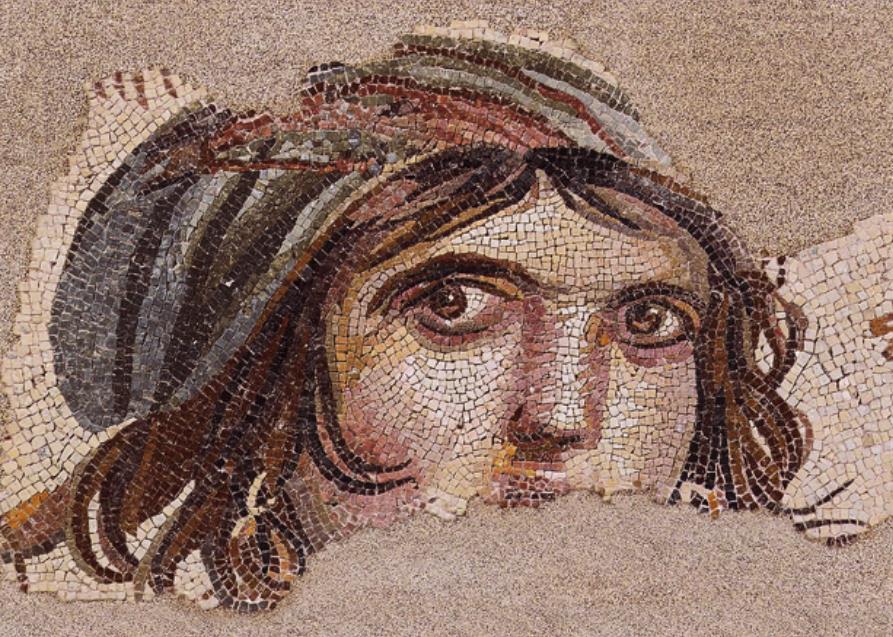
the Gypsy Girl.
That gaze…
Not quite divine, not entirely human. Timeless. It doesn’t judge, yet it doesn’t let you escape. After thousands of years, it still feels like it’s asking, “Who are you?”
That may be why it feels so powerful.
Mythology is everywhere in Zeugma, but distance is gone.
Dionysus, Achilles, Oceanus — all part of domestic space. Humans share the same ground with gods. This tells us something important: fear of nature has faded. Meaning, storytelling, and identity have taken its place.
Walking through the museum distorts time again.
But this time, it bends forward. Zeugma represents a threshold in humanity’s intellectual journey — from belief to identity, from fear to expression.
The Zeugma Mosaic Museum is not quiet.
It doesn’t whisper.
It watches.